Every campaign we run ends the same way. You get a report that says what it produced, what it cost to produce it, and what we would change next. It is the fourth of our four steps, and the one that proves the other three were worth paying for. Here is what ours contains, and the questions worth putting to anyone who wants to represent your brand.
The report starts on the first call
The first conversation with a brand is about what you sell, who buys it, what it costs you to win a customer today, and what a good month would look like. That is the number the report gets set next to, so it is worth getting right on day one.
The same goes for the language. Before anyone represents you, the approach and the actual words go in front of you for approval, and the territory and schedule are agreed up front. Every conversation belongs to a territory and every result is counted, so by the end the whole picture is already there.
What it produced
Customers. Not conversations started, not people who said they were interested, not how many places the team went. A brand pays us for customers acquired, so that is the first line. Activity shows the working. The result is what you bought.
What it cost
The second line is what it cost to produce those customers, which comes down to one figure: what one customer cost you. Set it next to the number you gave us on the first call. That comparison is the whole point of the report, and you get it in writing either way.
That figure is the honest scoreboard for any channel. We are happy to be judged on it, because it is the thing worth being judged on.
What we would change
The third part is the plan. What worked in one territory and is now being taught to the whole team. What to adjust, and why. Where the team goes next and on what schedule. The plan for the next stretch comes with the report rather than after it, so you are not reading results in one meeting and waiting for a proposal in another.
Nothing is saved up for the end, either. If a territory or an offer needs changing while the campaign is live, you hear it while it is still live, the same way our own people are coached.
Showing the working
Everything in a report comes with the working attached. You know where your brand was represented and when, because the territories and the schedule were agreed before anyone went out. Everyone in the field knows what they produced by the end of the day, and so does everyone else on the team, so the numbers a report is built on are already public inside the company.
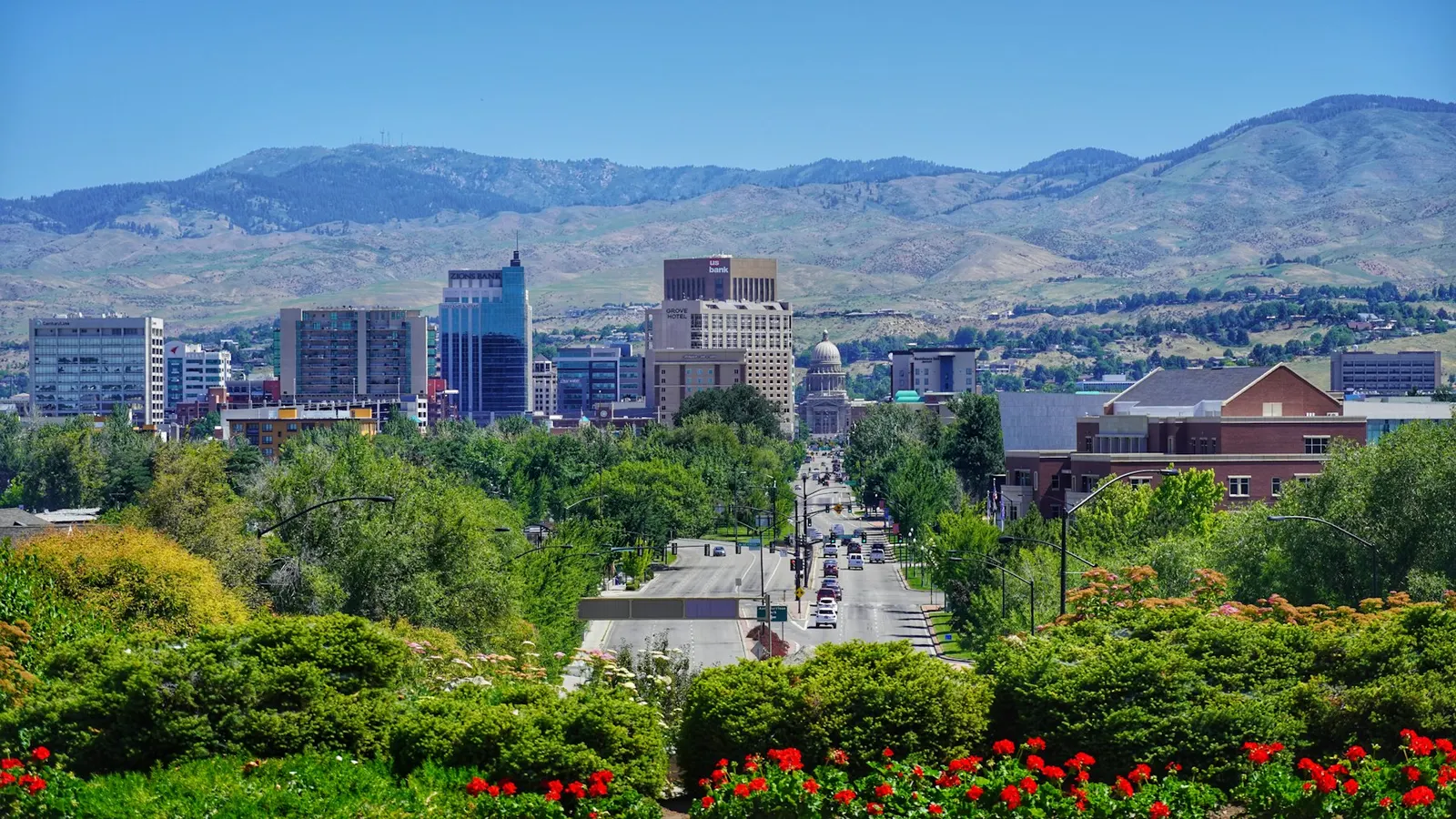
If you would rather see it than read about it, the office at 8783 W Hackamore Dr, Ste 8, Boise, ID 83709 is open Monday to Saturday, 9am to 6pm, and brands are welcome to come watch a campaign being run before they buy one.
Five questions worth asking
What will you count as a result, and is it customers or activity? How will you show me what one customer cost? Where and when will my brand be represented? What happens when something needs adjusting, and how soon will I hear? And will you put all of that in writing before I commit to anything?
Our own reports are built to answer all five.
What to expect
Face to face needs enough days in the field for the team to learn the objections and adjust, so the useful read comes from a proper run rather than a short one. What you get back will be counted, will be in writing, and will include what we would do differently. If that is the reporting you want, tell us what you sell and who buys it, and we will tell you whether this channel fits and exactly what the report would count.